Loading...
Serving Eastern Goleta Valley, CA and surrounding areas. (805) 261-5199
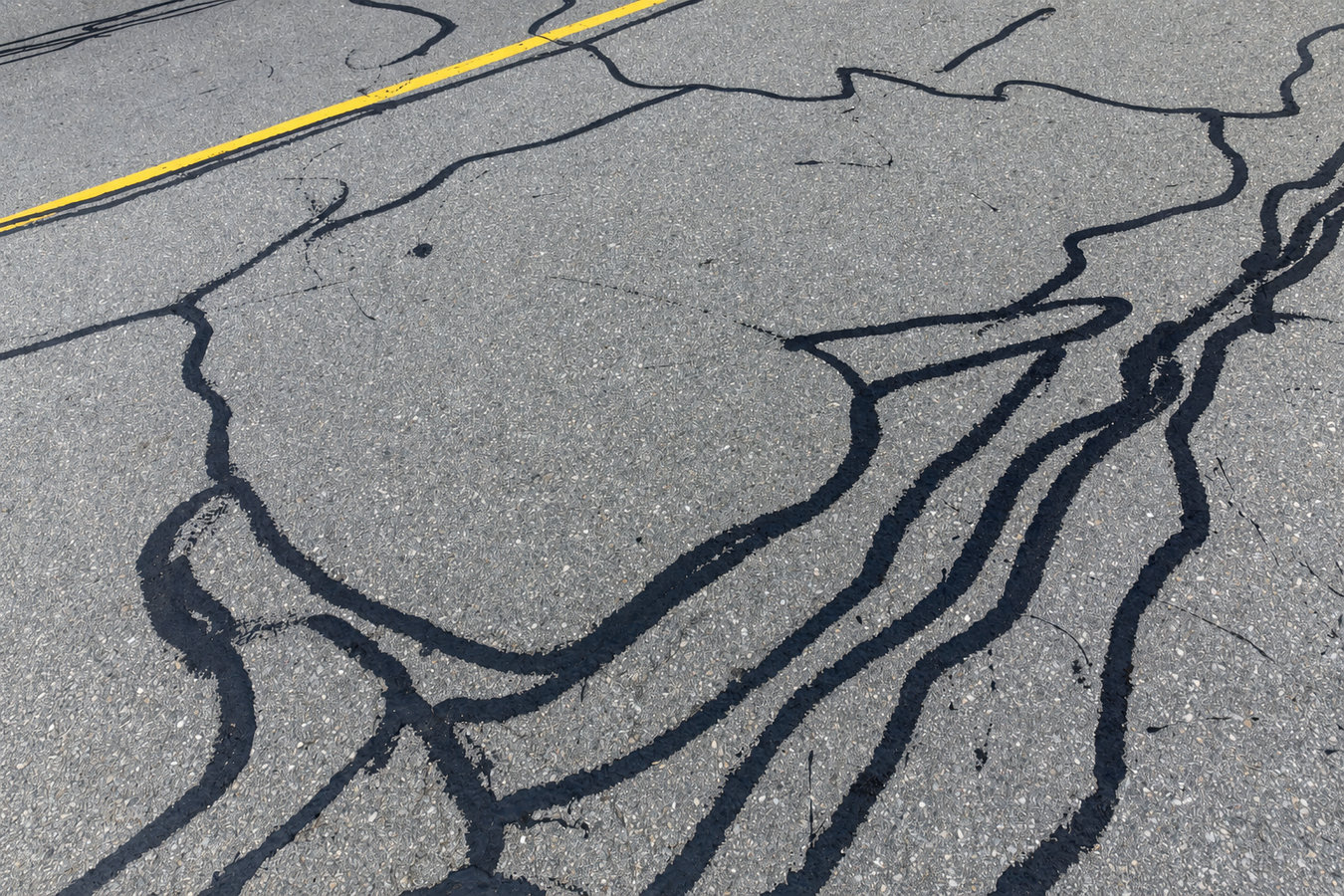
Open cracks let water into your pavement base. We seal them fast with flexible, rubberized material so a small crack does not turn into a costly repaving job.
Asphalt crack sealing in Eastern Goleta Valley removes debris from each crack and fills it with hot-pour rubberized sealant that bonds to the crack walls and flexes with the pavement, most residential jobs complete in a few hours with a short curing window before you can drive on it again.
In Eastern Goleta Valley, open cracks are more than a cosmetic issue. The clay-heavy soils here swell and shrink with the seasons, widening cracks from below. When the rainy season arrives, water moves fast into those gaps and softens the base beneath your surface. If you are also noticing surface roughness or areas where the top layer has started to break away, you may want to look at asphalt repair as part of the same project.
Crack sealing is one of the most affordable things you can do to extend the life of your pavement. The goal is simple: cut off the pathway water uses to reach the base before the damage becomes far more expensive to fix.
If you see lines running along or across your asphalt - even thin ones - those are early signs the surface is starting to break down. In Eastern Goleta Valley, strong sun and seasonal soil movement mean cracks that look minor today can widen noticeably after the first good rain. The time to act is before the rainy season, not after.
Fresh asphalt is dark and slightly flexible. When it turns light gray and feels brittle underfoot, the binder has oxidized from sun exposure - a very common condition along the Santa Barbara County coast. That brittle surface cracks easily, and sealing the cracks now prevents water from accelerating the breakdown.
Plant roots in a crack mean the opening has been there long enough to collect soil and moisture. Roots also pry the crack wider over time. This is a clear signal that sealing should have happened sooner - but it is still worth doing once the vegetation is cleared out.
If water sits in or near cracks after rain, that moisture is already working its way into the base. Given the expansive soils common across the Goleta Valley, repeated wet-dry cycles in an unsealed crack can cause the surrounding pavement to shift and crumble faster than you might expect.
Every crack sealing job starts with thorough preparation - not just a quick spray over the surface. We use a heat lance or compressed air blower to clean out each crack, removing debris, vegetation, and any moisture that would prevent the sealant from bonding. Then we apply a hot-pour rubberized sealant, slightly overfilling each crack so it can flex with the pavement as the Goleta Valley soils move through their wet-dry cycles. Skipping that prep step is why quick-fix patches fail within a season.
We also pair crack sealing with asphalt sealcoating when the surface has oxidized significantly - sealcoating after crack sealing gives the whole surface a uniform dark finish and adds UV protection that slows the next round of cracking. If parts of your pavement have moved beyond what sealing can address, we can discuss commercial asphalt paving or targeted repair to restore those areas properly.
Best for homeowners with cracked driveways who want to protect their investment before the rainy season without a full repaving project.
Suits property managers and business owners who need to extend the life of a parking lot surface and avoid the cost and disruption of full replacement.
Ideal for driveways where cracks have formed along the edges where soil dries out fastest - common on lots near landscaping or irrigation systems in this area.
Right for property owners who want a scheduled maintenance plan so cracks are caught and sealed early, before they widen into a more expensive repair.
Eastern Goleta Valley gets more sun per year than most of the country, and that UV exposure is the single biggest driver of asphalt cracking in this area. It breaks down the binder that holds asphalt together, turning the surface gray and brittle from the top down. This is different from the freeze-thaw cracking common in colder states, but the result is the same - and because the damage happens gradually, many homeowners do not notice it until the cracks are already wide. Scheduling crack sealing in the late summer or early fall - before the rainy season arrives - is the smart move for most properties here.
The clay-heavy soils across the Goleta Valley add another layer of stress. They swell when wet and shrink when dry, moving the pavement from below and reopening cracks faster than in areas with more stable ground. That is why flexible rubberized sealant matters here more than it does in other regions - a rigid filler cracks again quickly when the soil moves. We serve properties throughout the area, including Goleta and Santa Barbara - so if your property sits across either of those borders, we can still help.
Describe what you are seeing - the number of cracks, roughly how long or wide they look, and the size of the area. We reply within one business day and will schedule a free on-site estimate at a time that works for you.
We walk your pavement and assess each crack - width, depth, edge stability, and whether there are any signs of base failure underneath. We will tell you honestly if any areas are too far gone for crack sealing and need a different approach.
The crew cleans each crack thoroughly with a heat lance or compressed air, removing all debris and plant material. Then we apply hot-pour rubberized sealant, working it into each crack and slightly overfilling so it flexes with the pavement rather than pulling away.
The sealant sets in about 30 to 60 minutes for foot traffic, and vehicles can typically return within a few hours. There is no extended downtime - you are back to normal the same day and protected heading into the rainy season.
Free estimate, no pressure. We will walk your pavement with you and give you a straight quote.
(805) 261-5199We do not skip the cleaning step. Every crack is blown out or heat-lanced before sealant touches it - because debris and moisture left inside are the reason quick-fix patches fail within a season. You can count on the repair lasting, not just looking good on day one.
We use commercial-grade hot-pour rubberized sealant that moves with the pavement when Goleta Valley clay soil expands and contracts. A rigid patch cracks again after the first dry summer. Our material is specified for the soil conditions in this part of Santa Barbara County.
California requires paving contractors to hold a state license you can look up yourself through the California Contractors State License Board - this confirms the company is legally authorized to do the work. We are licensed, insured, and carry workers' compensation coverage.
Not every crack needs full repair, and we will tell you that plainly. We walk the surface with you, show you what can be sealed and what cannot, and give you a written quote before any work begins. No surprises, no scope creep.
Every crack sealing job we do is backed by thorough prep, the right materials for this climate, and a straight conversation about what your pavement actually needs. We are a local business serving Eastern Goleta Valley and the surrounding communities.
When crack sealing is no longer enough and a parking lot or access road needs a fresh surface, full commercial paving is the next step.
Learn MoreApply a protective sealcoat after crack sealing to give your pavement uniform UV protection and slow down the next cycle of oxidation and cracking.
Learn MoreGet a free on-site estimate now - Eastern Goleta Valley rain arrives fast, and sealed cracks are far cheaper than a base repair.