Loading...
Serving Eastern Goleta Valley, CA and surrounding areas. (805) 261-5199
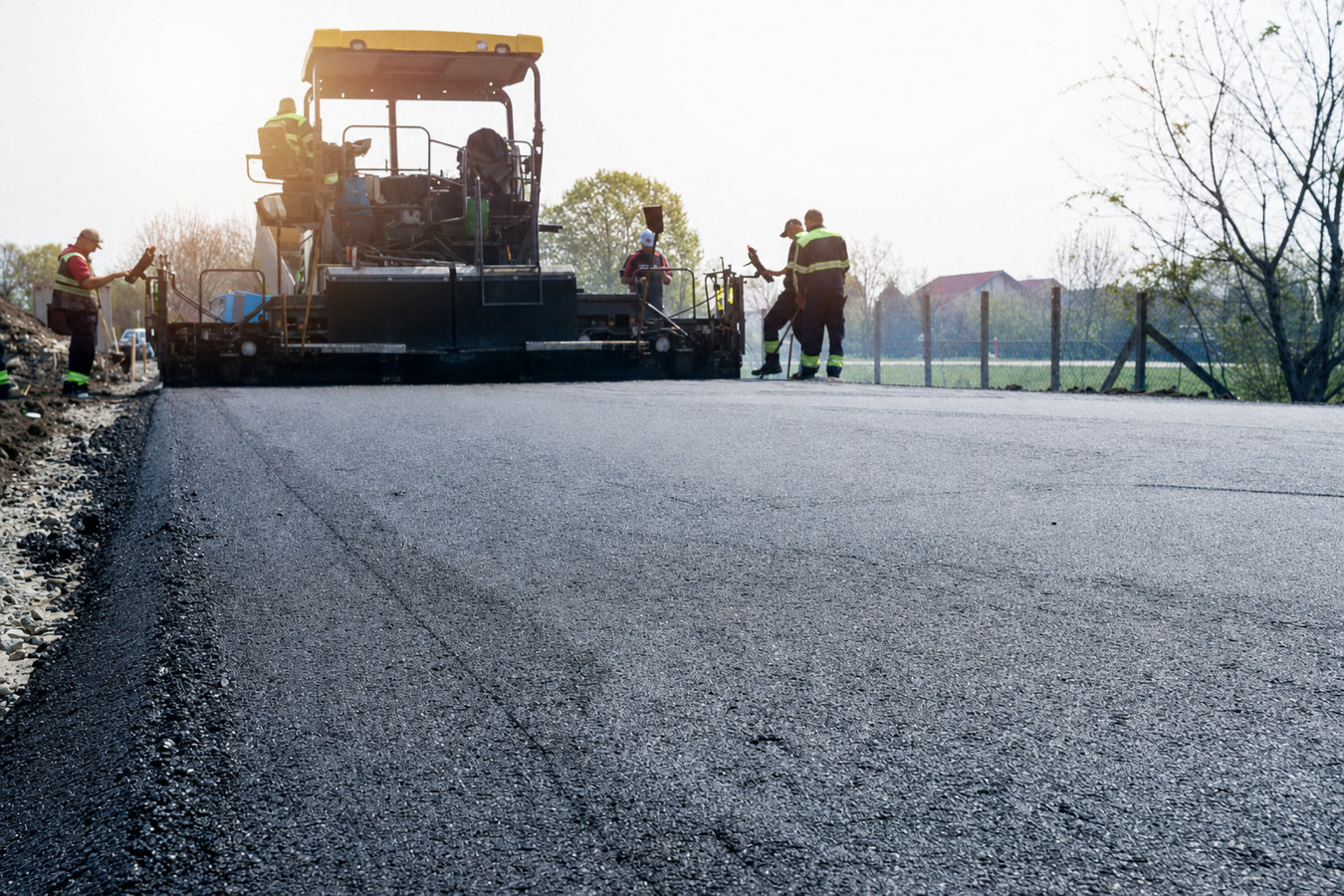
Cracks and potholes left open through a wet winter cause far more damage than they cost to fix now. We patch, seal, and correct base problems so your driveway stays solid.
Asphalt repair in Eastern Goleta Valley means removing or filling damaged sections - cracks, potholes, sunken spots, or crumbling edges - and replacing them with fresh material that bonds to the surrounding surface, with most residential jobs completed in a single visit of a few hours.
In Eastern Goleta Valley, the biggest repair triggers are UV-driven surface oxidation and the clay-heavy soils that shift seasonally beneath driveways. What looks like a surface crack is often a sign that something is moving underneath. The most important step is getting that assessed before the winter rains arrive - water that finds open cracks in October can destroy a base by February.
Not every damaged surface needs full replacement. We assess the base first and recommend the approach that makes the most sense for your situation - whether that is crack sealing, targeted patching, or a deeper base repair before resurfacing. For surfaces with widespread damage, our asphalt crack sealing service can be the right starting point.
A pattern of cracks spreading across your driveway - especially one that looks like alligator skin - means the binder has broken down from UV exposure. This is the most common repair trigger in Eastern Goleta Valley. The sooner it is addressed, the less likely it is to become a full-depth failure.
A pothole means the surface has failed all the way through and the base is now exposed to traffic and weather. Even a small pothole grows quickly once water gets in, especially during the winter rainy season. This is a repair that should not wait.
If part of your driveway has dropped lower than the surrounding surface, the base underneath has likely shifted or eroded. The clay soils common in the Goleta Valley foothills cause this kind of settlement after a wet winter. A sunken section also pools water, accelerating further damage.
Healthy asphalt is dark and slightly flexible. When it turns light gray and feels rough or sandy underfoot, the binder has oxidized from intense sun exposure. At this stage, crack sealing and a sealcoat can still help - but if the surface is actively crumbling, patching is needed first.
We start every repair job with an honest assessment - walking the surface, probing soft spots, and checking drainage. A crack that is still narrow can often be sealed rather than patched, which is one of the most cost-effective things you can do to extend pavement life. For damage that has gone deeper, we cut clean edges around the failed area, remove the broken material, and compact fresh hot-mix asphalt in layers so the patch sits flush and sheds water cleanly. For the crack-specific work that stops small problems from becoming large ones, our asphalt crack sealing service handles that precisely.
When the base underneath has failed - shifted soil, eroded gravel, or seasonal clay movement - we address the root cause before patching the surface. A patch on a failed base will not hold. For driveways where the damage is too widespread for targeted repairs, we transition to a full pothole repair or resurfacing approach that makes more long-term sense.
Best for narrow cracks that have not yet opened wide - hot rubberized sealant fills the gap and blocks water before it reaches the base.
For surface failures that have opened into holes or crumbling sections - we cut clean edges, remove failed material, and compact new asphalt flush with the surrounding surface.
For soft spots and sunken sections where the problem starts below the asphalt - we correct the base before laying new surface material.
Applying a sealcoat over the repaired area - and ideally the whole driveway - after patching slows UV oxidation and gives the surface a uniform, well-maintained appearance.
Eastern Goleta Valley follows a Mediterranean climate pattern - long dry summers followed by concentrated winter rainfall from roughly November through March. When rain finally arrives after months of drought, it hits pavement that has been baking and contracting all summer. Water that finds its way into open cracks during those first winter storms can quickly undermine the base, turning a small surface problem into a structural one. Scheduling repairs before the rainy season - not after - is the smartest move in this climate. The UV factor is constant: the clear skies and strong sun that make this area beautiful also accelerate asphalt oxidation year-round.
We serve homeowners throughout the valley, including in Santa Barbara and in areas near Carpinteria. For properties downslope from the burn areas in the hills above the valley, post-fire runoff can alter drainage patterns around driveways in ways that accelerate surface damage - something we watch for on jobs near the wildland-urban edge. The National Asphalt Pavement Association provides guidance on repair standards and material specifications that we apply on every job, regardless of size.
Call or submit the form describing what you are seeing - cracks, potholes, soft spots, or general surface wear. We respond within one business day and schedule a free on-site estimate, because the extent of base damage is not always visible from photos.
We walk the driveway, probe any soft or cracked areas to check whether the damage is surface-only or has reached the base, and examine how water drains across the surface. This shapes the repair approach and the written quote you receive.
The crew cleans the repair area, cuts clean edges around damaged sections, and removes all loose material. Fresh hot-mix asphalt is compacted in layers so the patch sits flush and bonds properly to the surrounding surface. Most residential jobs are done in a single visit.
We walk the finished repair with you before leaving and explain what to watch for. The repaired area needs a few hours to cool before you drive on it - by the next morning it is ready for normal use. We also advise on the best timing for a follow-up sealcoat.
We come to your property, walk the damage in person, and give you a written quote with no pressure to commit on the spot.
(805) 261-5199The Goleta Valley foothills sit on clay-heavy soils that move seasonally. We probe every soft spot and cracked area before patching to check whether the base is sound - because a patch on a failed base will not hold through the next wet season.
We will tell you when patching makes sense and when it does not. If more than a large portion of your surface is failing, replacement often costs less over five years than repeated patches. That honest conversation is something we have upfront, not after you have paid for work that was never going to hold.
California requires asphalt contractors to hold an active state license - verifiable through the state licensing board online. We carry general liability and workers' compensation coverage on every job, so you are protected if anything goes wrong on your property.
Properties near the foothills can see altered drainage patterns after fire seasons above the valley. We check that your driveway drainage is still functioning correctly, a genuinely local consideration that out-of-area crews rarely think to raise.
A good asphalt repair in Eastern Goleta Valley is not just a patch - it is a base check, a drainage review, and material that is properly compacted to handle the UV and clay conditions specific to this area. That is the standard we hold ourselves to on every job.
Seal narrow cracks with hot rubberized material before they open wide enough to let water into the base.
Learn MoreFull-depth pothole patching for holes that have broken through the surface and exposed the base to traffic and weather.
Learn MoreEastern Goleta Valley winters turn small cracks into expensive repairs fast - lock in your repair date now while the weather is dry.