Loading...
Serving Eastern Goleta Valley, CA and surrounding areas. (805) 261-5199
Every driveway or paved surface is only as good as what is underneath it. We shape, compact, and drain your site correctly so the asphalt on top lasts for decades instead of years.
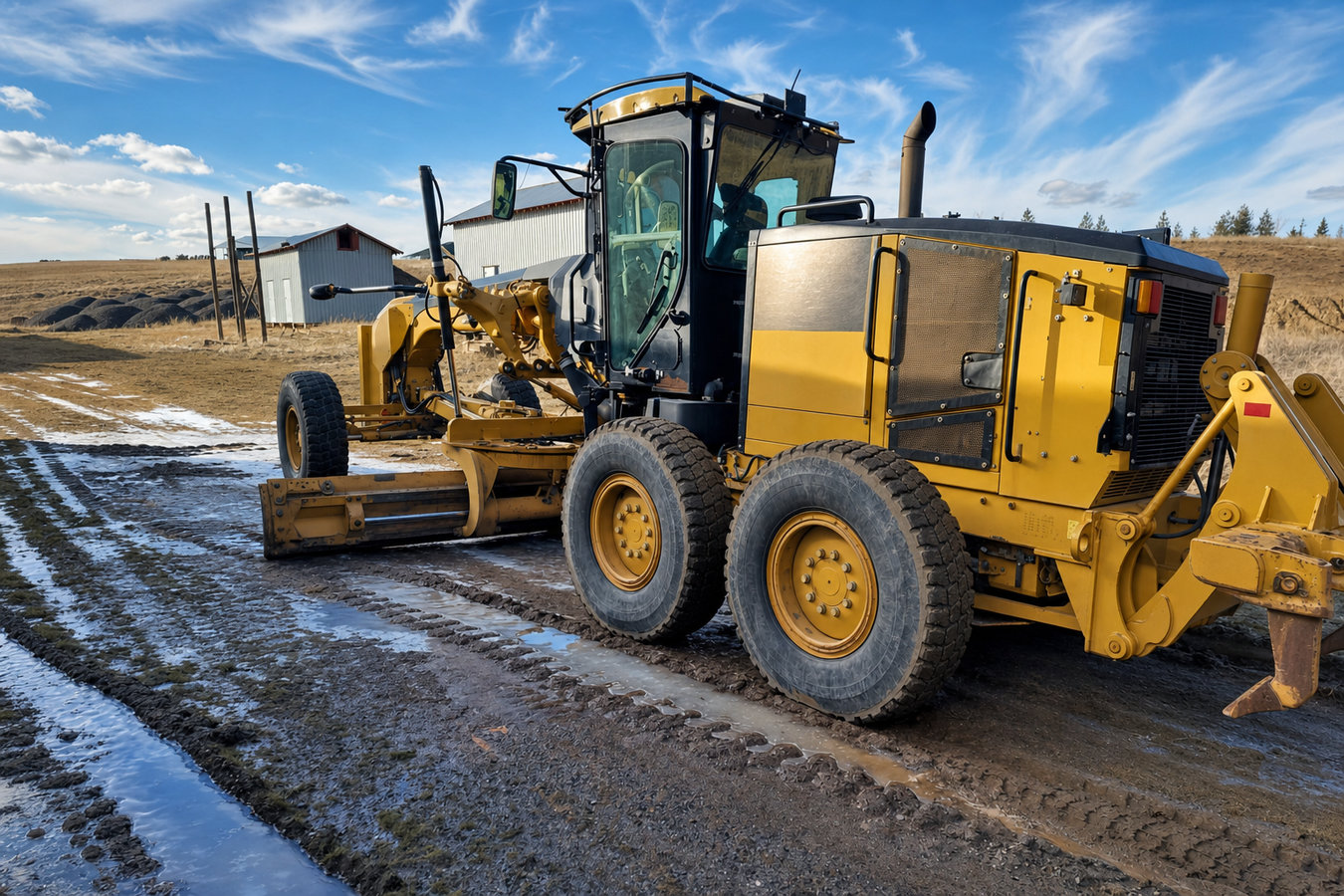
Grading and excavation in Eastern Goleta Valley means reshaping the ground to the correct slope and drainage pattern, removing any weak or unstable material, and compacting a solid aggregate base before any asphalt goes down - most residential driveway jobs take one to three days depending on how much soil needs to move.
In this area, skipping or rushing base prep is the single most common reason paved surfaces crack, sink, and fail early. The Goleta Valley has clay-heavy soils that expand when wet and shrink when dry - a surface laid on that clay without proper excavation and compaction will start shifting within the first wet season. Grading and excavation is not a separate project from paving - it is the first phase. If your project also involves managing where water goes once the surface is in place, we can connect that work to our drainage solutions service.
A well-graded site drains water away from your home consistently, with no low spots where puddles collect. You can check this yourself after the first rain - water should sheet off toward the street or a designated drainage area, not pool on the surface or run toward your foundation.
If water collects on your driveway or parking area after rain rather than draining away, the grade is working against you. In Eastern Goleta Valley, where rain arrives in concentrated bursts between November and April, poor drainage means repeated flooding and accelerating surface damage every season.
Any new asphalt surface needs a properly prepared base, and that starts with grading. If you are adding a second car pad, extending a driveway, or paving a previously unpaved area, grading and excavation is the necessary first step - not an optional upgrade.
Visible dips, areas that feel spongy underfoot, or sections where the asphalt has settled unevenly are signs the base was not properly graded or has shifted over time. On clay-heavy Goleta Valley soils, this kind of base movement tends to get worse with each wet season if left alone.
If water sits close to your foundation or runs toward the house rather than away from it, the grade around your home is directing it the wrong way. Correcting the grade and following it with a properly sloped paved surface is one of the most practical things you can do to protect your home long-term.
We handle the full site preparation sequence from first cut to finished base. That means assessing the existing soil conditions before any equipment moves, cutting and filling to hit the target elevations that will make your finished surface drain correctly, hauling away unstable or clay-heavy material when it cannot simply be regraded in place, spreading a crushed aggregate base, and compacting in layers until the foundation is solid and ready for asphalt. We also look at what happens to water at the edges of the paved area - runoff that pools along the border of a new driveway will undermine the base from the sides over time.
Grading flows directly into concrete curbing and sidewalks when your project includes edge containment or pedestrian surfaces - those elements need to be planned together with the grade, not added afterward. And when potholes or surface failures are part of why you are looking at a regrading project, we can connect that work to targeted drainage solutions so water is directed away from the surface for the long term.
Right for homeowners paving a new driveway from scratch - we prepare the full base so the asphalt on top performs as intended from day one.
Suited for existing driveways or parking areas where the base has shifted and the surface needs to be rebuilt from the ground up to drain and perform correctly.
Best for properties where water is moving toward the home or pooling on the surface - we design the slope to direct runoff where it belongs.
Ideal for hillside properties closer to the Santa Ynez Mountains where terrain and soil variability require careful grade design and equipment access planning.
The Goleta Valley sits on a mix of alluvial soils and older marine sediments, and many lots in the area have clay-heavy layers that expand when wet and shrink when dry. That seasonal movement is one of the primary reasons paved surfaces crack and shift in this region - and it is why thorough excavation to remove or stabilize that clay layer before paving matters so much here. A contractor who skips a proper soil assessment on a Goleta Valley lot is taking a real risk with your finished surface. The hills above the valley have also seen significant wildfire activity in recent decades, and post-fire erosion can deposit loose, unstable material on lower lots over time - another reason an experienced local crew probes the soil before committing to a grade plan.
Late spring through early fall is the best window for this work. The ground is dry, compaction is more reliable, and there is no risk of rain washing out fresh earthwork before it can be paved over. Property owners across Goleta and Santa Barbara deal with the same soil conditions, and we bring the same local approach to every project across the area.
We visit your property to look at the existing slope, soil type, drainage patterns, and what needs to be removed or reshaped. This is when we identify whether rock, clay, or unstable material will need to come out - and we use this visit to build an accurate estimate, not a guess. We reply within one business day to schedule.
After the site visit, you receive a written proposal covering the excavation scope, target grade, and how any spoil material will be handled. If your project touches a public street or right-of-way, we identify the right permitting authority and handle that paperwork - you should not have to figure out which office to call.
The crew arrives with equipment and begins cutting, moving, and shaping the soil to the planned elevations. For a typical residential driveway this phase takes one to three days. The site will look rough and unfinished until the final grade is set - that is normal and expected.
Once the grade is set, we compact the subgrade and spread a crushed aggregate base in layers. Before asphalt goes down, we walk the site with you to confirm the drainage looks right. After paving, watch the first significant rain - water should move the way we designed it to.
Free on-site estimates. Written scope before any work begins. We reply within one business day.
(805) 261-5199We probe and assess your specific soil conditions before any equipment moves - not after. On the clay-heavy, variable soils common across the Goleta Valley, skipping that step leads to expensive surprises mid-project. You know what you are getting into before work begins.
The grade we set is designed around Santa Barbara County rain patterns - concentrated winter storms that can rapidly expose any low spot or drainage error. Water that flows away from your home consistently, even in a heavy event, is the outcome we design for on every job.
California requires contractors performing this type of work to hold a valid state license. The CSLB website lets you verify any contractor's license in about two minutes. We encourage every customer to check before hiring anyone for this work - including us.
Subsurface conditions in the Goleta Valley vary - rock, buried material, or unstable fill can show up once digging starts. Our written contract describes the grading scope and explains exactly how unexpected conditions are handled. You are never surprised by a verbal add-on after work begins. The OSHA excavation safety standards also govern how we approach any significant dig.
Grading and excavation done right the first time is a long-term investment. Cutting corners on base prep is the most common reason homeowners end up calling a contractor back within a few years to fix a surface that should have lasted decades - and we are the crew you call to do it right from day one.
Add edge containment and pedestrian surfaces that are planned and installed in coordination with the finished grade.
Learn MoreManage where water goes once your surface is in place so it stays away from your foundation and base long-term.
Learn MoreSchedule your free on-site estimate now - dry ground means better compaction, better drainage, and a base that holds up for years to come.