Loading...
Serving Eastern Goleta Valley, CA and surrounding areas. (805) 261-5199
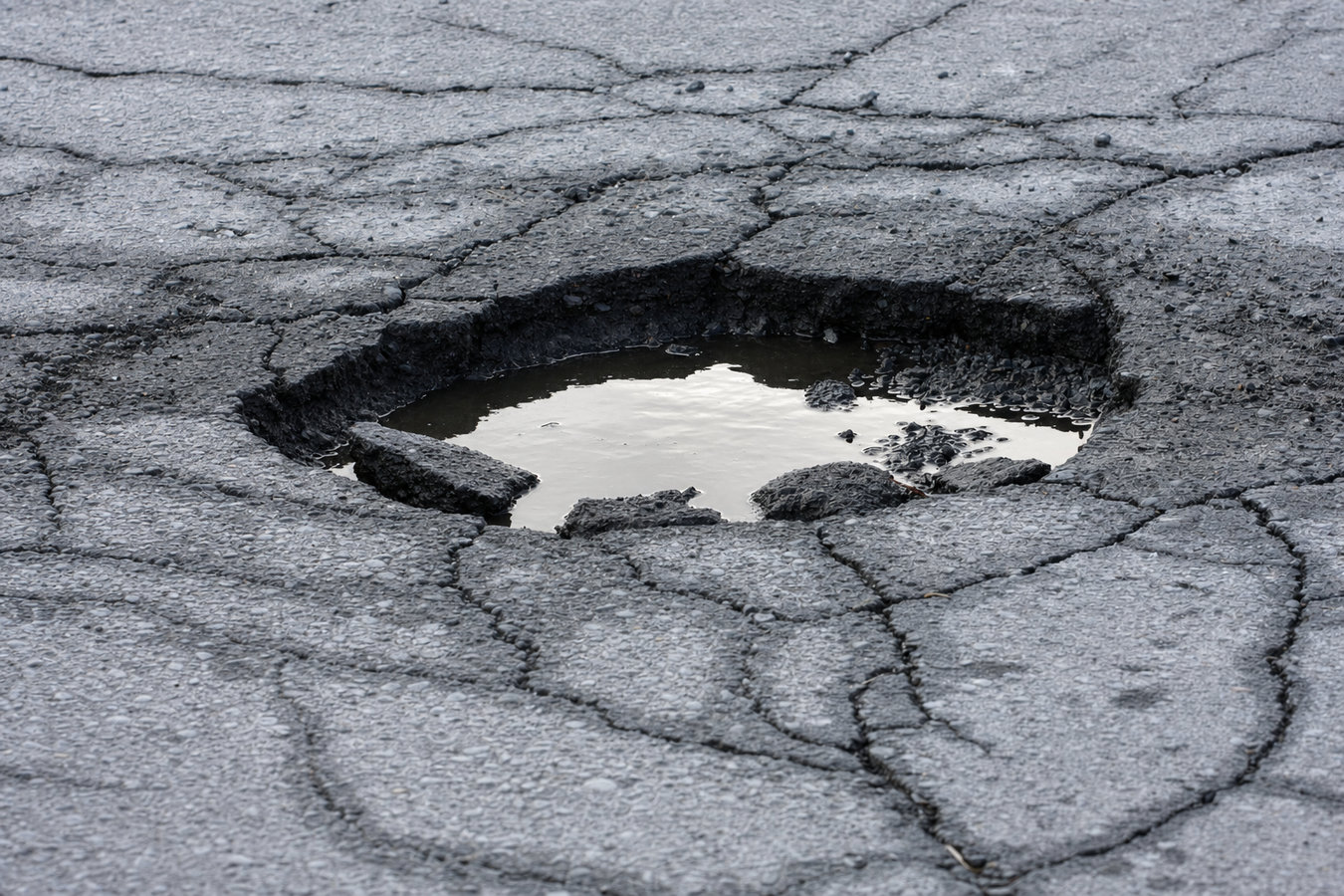
A pothole left alone grows with every rain and every car. We cut clean edges, compact the base, and lay fresh asphalt so the patch holds for years, not months.
Pothole repair in Eastern Goleta Valley means cutting or milling out the damaged area, removing the broken material, and filling the void with fresh asphalt that is then compacted flush with the surrounding surface - most residential jobs complete in a few hours once the crew is on site.
In this area, potholes usually start when water seeps into small cracks, softens the clay-heavy ground underneath, and the surface collapses under vehicle weight. That is different from freeze-thaw damage you hear about in colder states, but the result is the same - a hole that grows fast if ignored. If you have a few isolated holes surrounded by asphalt that is otherwise solid, targeted patching makes sense. If the surface around those holes is also crumbling or heavily cracked, it may be worth talking about asphalt repair more broadly.
The key difference between a patch that lasts and one that pops out after a season is what happens before the asphalt goes in. Clean edges and a compacted base are not optional - they are the whole job.
If you can see a clear depression or hole in your driveway or parking area, repair is overdue. Left alone, the hole will grow with every rain and every vehicle that passes over it - what starts as a nuisance becomes a safety hazard and a much larger repair bill.
Alligator-pattern cracking - where the surface looks like a grid of small broken pieces - often comes just before a pothole forms. In Eastern Goleta Valley, this pattern frequently signals that clay soil movement or poor drainage has undermined the base beneath the surface.
Standing water collecting in or around a crack or depression after rain means that water is actively making the damage worse. The wet winters here can turn a small pooling problem into a full pothole in a single season if it is not addressed.
If you feel a noticeable jolt when pulling in or out of your driveway, the surface has failed enough to need professional repair rather than a temporary fill. A previous patch with crumbling edges is also a sign - once a patch starts separating, water enters fast.
Every repair starts with saw-cutting clean, straight edges around the damaged area. We do not just fill the hole - we remove all loose and broken material, compact the base underneath, and then place fresh hot-mix asphalt in layers until the patch is flush with the surrounding surface. That process is what separates a lasting repair from a temporary fix that pops out after the first rain. If the base beneath the hole has failed completely, we go deeper and rebuild it before any asphalt goes down - a full-depth repair costs more upfront but lasts far longer.
Once a patch has cured, pairing it with grading and excavation work is worth considering if drainage around the area is contributing to repeat failures - water directed away from your driveway means less pressure on the base. And if the surrounding asphalt is in rough shape beyond just the holes, we can walk you through whether targeted asphalt repair or a broader resurfacing project makes the most sense financially.
Best for isolated holes where the base beneath is still solid and the surrounding asphalt is in reasonable condition.
Right for situations where the base beneath the hole has failed - we excavate to stable ground and rebuild from the bottom up for a repair that holds.
Suited for driveways or parking areas with several holes scattered across the surface, handled in a single mobilization to keep costs down.
Ideal when repeat potholes in the same spot signal an underlying water or drainage problem - we address the cause, not just the symptom.
Eastern Goleta Valley sits on soils that include expansive clays - they swell when wet and shrink when dry. That repeated movement stresses asphalt from below, opening cracks that let water in and accelerating pothole formation faster than most homeowners expect. The dry summer and early fall give you an ideal repair window before the rainy season arrives in November. Scheduling work now means the patch has time to cure on a dry base without the risk of rain undoing the work before it sets.
When rain does arrive in this area, it often comes in heavy bursts after months of dry weather - water rushes across hard ground and into any existing damage, rapidly enlarging small defects into full potholes. That cycle is why we consistently tell customers in Goleta and Santa Barbara to repair before the rains rather than after. It costs far less, and the repair lasts much longer on a dry base.
Call or send us a message with the number of holes, roughly how big they are, and where they are located. We reply within one business day and schedule a free on-site visit - a phone estimate without seeing the surface is never accurate.
We walk the damaged area, check whether the base is still solid, and look at drainage patterns around the holes. This visit determines whether you need a surface patch or a deeper repair - and it is where we earn your trust by being straight with you about what the job actually requires.
The crew marks the repair area, saw-cuts clean edges around each hole, removes all loose and damaged material, and compacts the base. Fresh asphalt is placed and compacted in layers until the patch is flush with the surrounding surface, then the work area is cleaned up before the crew leaves.
In warm, dry Eastern Goleta Valley weather you can typically drive on the patch within a few hours - we will give you an exact timeframe. Once fully cured, applying a sealcoat over the repaired area helps protect against the intense Southern California sun and the next rainy season.
Free on-site estimates. No obligation. We reply within one business day.
(805) 261-5199We cut clean, straight boundaries around every hole before filling - not just shovel material into the gap. That edge is what bonds the patch to the surrounding asphalt. Without it, the repair separates within a season, especially when the Goleta Valley soils move with the wet-dry cycle.
A pothole with a soft or failed base will come back no matter how good the asphalt on top looks. We assess and compact the base before any material goes down. If the base has failed completely, we say so and rebuild it - which costs more but is the only repair that actually lasts.
California requires paving contractors to hold a valid state license before doing this work. You can verify any contractor's license status on the CSLB website in about two minutes - and we encourage you to do exactly that before hiring anyone for this work.
We know the clay-heavy, seasonally expansive soils common across the Goleta Valley - and we know how drainage patterns in this area accelerate base failure if left unaddressed. That local knowledge shapes every repair we do here, from base prep to the choice of asphalt mix.
Every one of those points connects to the same outcome: a repair you do not have to redo next year. We do the job right the first time because cutting corners on base prep is the most common reason homeowners end up calling a contractor back within months.
Address the drainage and base issues that cause potholes to keep coming back in the same spot.
Learn MoreFor surfaces with cracking, crumbling edges, or damage beyond a few isolated holes.
Learn MoreSchedule your free on-site estimate now - repairs done on a dry base last far longer than patching in winter weather.