Loading...
Serving Eastern Goleta Valley, CA and surrounding areas. (805) 261-5199
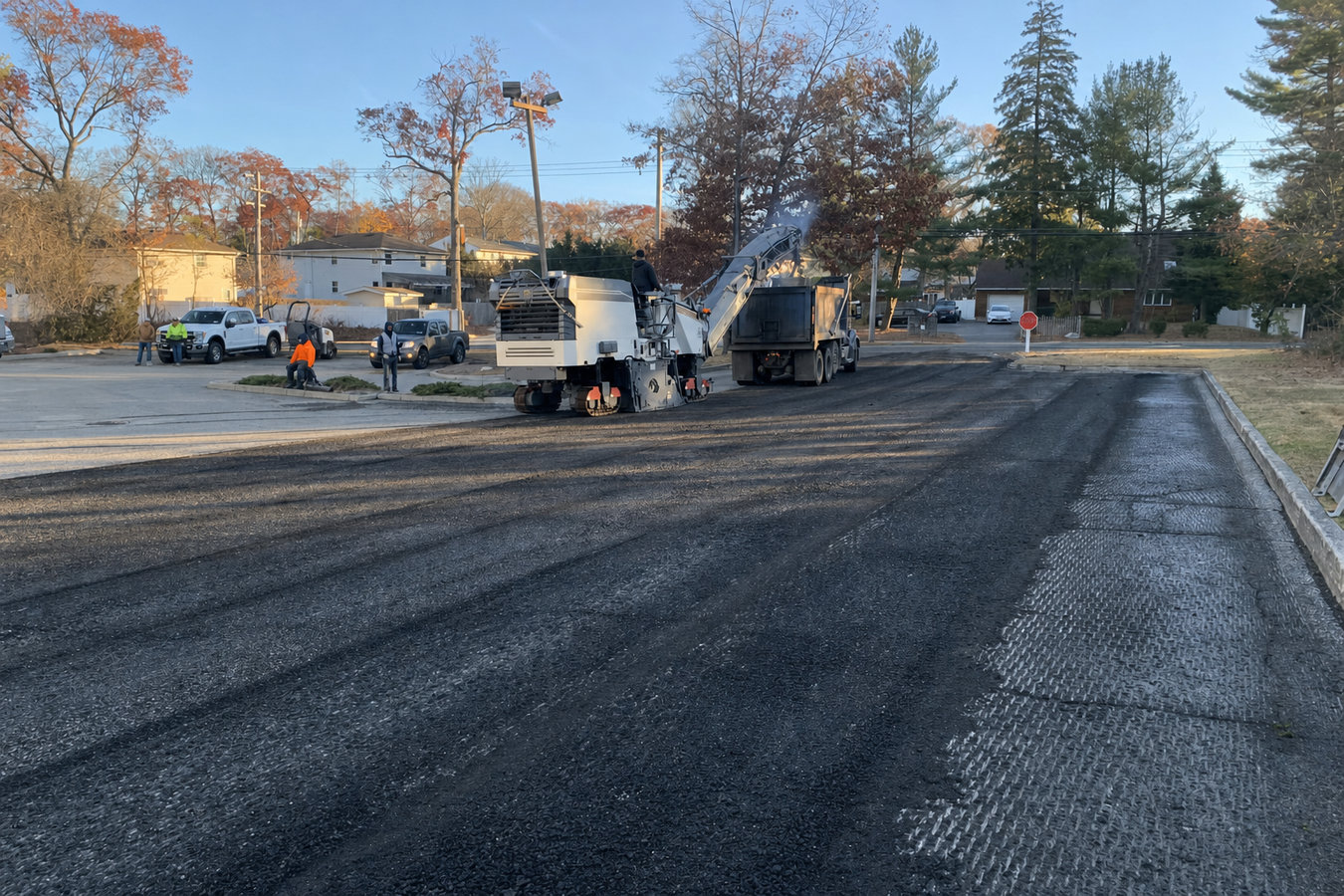
Gray, cracked pavement does not mean starting over. We lay a fresh asphalt layer over your existing surface so you get the look and performance of new pavement without the cost of a full tear-out.
Asphalt resurfacing in Eastern Goleta Valley means a fresh layer of new asphalt is laid over your existing driveway or parking surface - the old pavement stays in place, the crew cleans and preps it, then paves over it - most residential driveways can be completed in a single day with a 24 to 48 hour curing window before you can drive on it again.
Resurfacing works best when the base underneath is still solid and the damage is mostly on the surface - cracking, fading, or minor pitting. Eastern Goleta Valley's intense sun dries out the asphalt binder faster than most homeowners expect, turning a surface gray and brittle years before the base has any real problems. That is when resurfacing delivers the most value: you replace the worn layer at a fraction of full replacement cost, fix any drainage issues at the same time, and come out with a driveway that looks and performs like new. If you are not sure which approach your surface needs, pairing an assessment with asphalt repair targeting localized problem areas can sometimes extend the life of a driveway before a full resurfacing is warranted.
A good contractor will inspect the base honestly and tell you which way to go - resurfacing when the foundation is sound, full replacement when it is not. That honesty is worth asking for upfront.
Fresh asphalt is dark and slightly flexible. When it fades to a light gray and feels hard and crumbly underfoot, the binder has dried out from Eastern Goleta Valley's intense UV exposure. This is the clearest sign the surface layer has broken down and that resurfacing - not just sealing - is the right next step to prevent deeper damage.
When you see cracks spreading across the surface in an interconnected pattern - sometimes called alligator cracking - the pavement has reached the end of its useful life. In this area, the clay-heavy soils move with the wet-dry cycle, which can accelerate this pattern. Patching individual cracks is only a short-term fix at this stage; resurfacing replaces the whole worn layer.
Standing water on your driveway after a winter rain means the surface has developed low spots or the drainage has shifted - both common results of soil movement over time. In a climate where rain arrives in concentrated bursts between November and March, pooling water speeds up deterioration. Resurfacing gives you a chance to correct the grade and solve the drainage problem at the same time.
When the top layer of asphalt starts to lose its aggregate - the small stones that give it texture and strength - you feel it as a rough, gravelly surface underfoot or under your tires. This is called raveling, and it means the surface layer is breaking apart. At this stage, resurfacing replaces the whole worn layer at once rather than patching piece by piece.
Every resurfacing job starts with a thorough base inspection - not just a visual check of the surface. In Eastern Goleta Valley, the clay-rich soils that underlie most of the Santa Barbara foothills move with the seasons, and a resurfacing job that skips the base inspection is just covering up a problem. We assess what is underneath, address any drainage issues, make targeted spot repairs to cracks or damaged areas, and then lay the new asphalt layer. The crew compacts it with a roller and finishes the edges cleanly where the pavement meets your garage slab, walkway, or street. That edge work matters: sloppy edges peel and crack quickly, while clean edges last for years. We also handle the milling preparation if the existing surface profile requires it before the new layer goes down - you can learn more about that step on our asphalt milling page.
After the new surface has cured - typically six months to a year - we recommend following up with a sealcoat to protect the fresh layer from Southern California UV exposure. That step significantly extends the life of the resurfaced surface. We can schedule it in advance so you do not have to think about it. If your property also needs complementary work - accessible parking markings, speed bumps, or drainage corrections - we coordinate those services alongside the resurfacing. For larger commercial properties where a full overlay is the right approach, our pothole repair service handles any structural failures before the new layer goes down, ensuring the overlay bonds to a clean, stable surface.
Best for homeowners with a faded, cracked driveway whose base is still solid - delivers a like-new surface in a single day without a full tear-out.
Right for commercial or HOA lots where the base is sound but the surface has oxidized and cracked to the point where maintenance alone is no longer the answer.
Ideal for driveways or lots with low spots and pooling water - the resurfacing process includes regrading the surface so water drains away cleanly.
Suits homeowners who want the resurfacing done now and a scheduled sealcoat follow-up six to twelve months later to lock in UV protection from day one.
Eastern Goleta Valley receives strong Southern California sun year-round, and that consistent UV exposure is the single biggest enemy of asphalt in this area. It dries out the binder that holds pavement together, causing surfaces to gray, crack, and crumble faster than they would in a cooler or cloudier climate. This makes timely sealing after resurfacing especially important here, and it means selecting a quality mix suited to warm, sunny conditions matters more than it would in a northern state. Most driveways in this area that have been in place for ten or more years without resurfacing are quietly deteriorating in ways that are not yet visible on the surface. The Asphalt Institute publishes technical standards for asphalt mix performance, including guidance specific to high-UV environments like Southern California.
The real local driver of repeated cracking - even on driveways that were resurfaced correctly - is the expansive clay soils that underlie much of the Santa Barbara foothills. They swell when wet and shrink when dry, flexing the pavement from below through each wet-dry cycle. A thorough base inspection before laying the new layer is not optional here; it is the step that determines whether the resurfacing holds up or cracks in the same places within a few seasons. We serve properties throughout the region, including Goleta and Montecito - areas where driveway quality and curb appeal carry real weight.
Describe your driveway - its approximate size, what you are seeing, and any specific concerns like cracking or drainage. We reply within one business day and will schedule a free on-site estimate so we can assess the base condition and give you an accurate price.
We walk the surface and assess the existing pavement, the base beneath, and how water drains across the area. In Eastern Goleta Valley, we also check for signs of soil movement - common in the clay-rich soils here. This assessment tells us whether resurfacing is the right call or whether deeper repairs are needed first.
On the scheduled day, the crew cleans the existing surface, removes loose material, and makes spot repairs before the new layer goes down. Then they lay and compact the fresh asphalt, finish the edges cleanly, and correct any drainage grade issues identified in the assessment. Most residential jobs wrap up in a single day.
Fresh asphalt needs 24 to 48 hours before vehicle traffic - sometimes a bit longer in warm weather. Your contractor will give you the specific curing window. We will also confirm when to schedule your follow-up sealcoat - typically six to twelve months out - to protect the new surface from UV damage.
We will inspect the base, check the drainage, and give you an honest recommendation - resurfacing or replacement - with a written quote.
(805) 261-5199In Eastern Goleta Valley, the clay-rich soils common to the Santa Barbara foothills move with the seasons. A resurfacing job that skips the base inspection is hiding a problem, not fixing it. We check what is underneath before any new layer goes down - so you are not paying for a surface that cracks in the same places within two years.
Low spots that pool water are one of the main reasons driveways deteriorate faster than expected here. We build up low areas and grade the new surface so water drains away from your garage and foundation - not toward it. This is one of the real advantages of resurfacing over a simple seal: you fix the drainage at the same time.
The edges are where a resurfacing job either holds or fails first. We finish every edge cleanly where the new asphalt meets your garage slab, walkway, or street. Sloppy edge transitions trap water and peel apart quickly; clean ones hold for the life of the surface. It is a detail that separates a good job from one that looks fine on day one and disappoints by year two.
We will tell you if your base has failed and full replacement is the better long-term answer - even if that costs you more upfront. Resurfacing over a compromised base does not fix the problem; it just delays it. California requires paving contractors to hold a valid state license - always verify any contractor before signing a contract.
Good resurfacing comes down to three things: an honest base assessment, proper drainage correction, and clean edge work. When those are done right, the new surface holds up through the wet season, through the dry summers, and through the soil movement that is part of life in the Santa Barbara foothills.
Targeted structural repairs that fix individual failures before a resurfacing overlay goes down over them.
Learn MoreSurface milling removes the worn top layer when the existing profile is too high to overlay without raising edge heights.
Learn MoreOur crew serves Eastern Goleta Valley and the greater Santa Barbara area - get your driveway done before the next rainy season arrives.